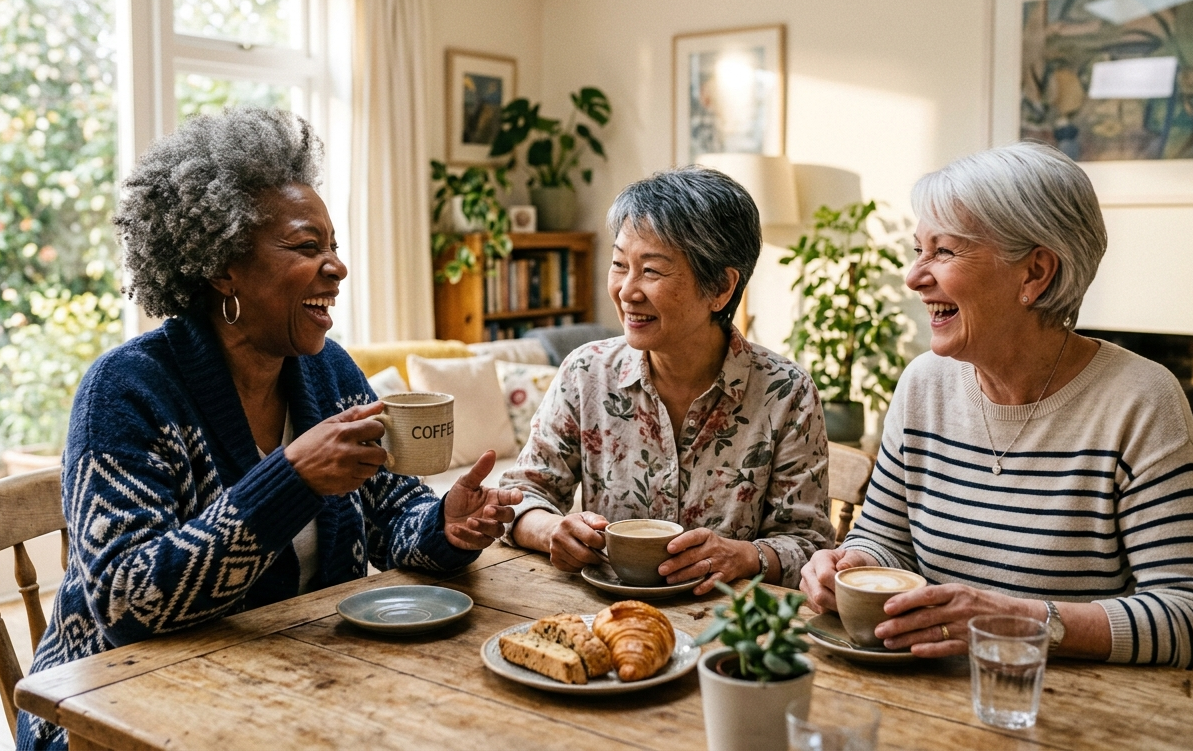

Learning doesn't stop mattering after 45. Book clubs, online classes, and local workshops can offer connection, purpose, and a little everyday joy.
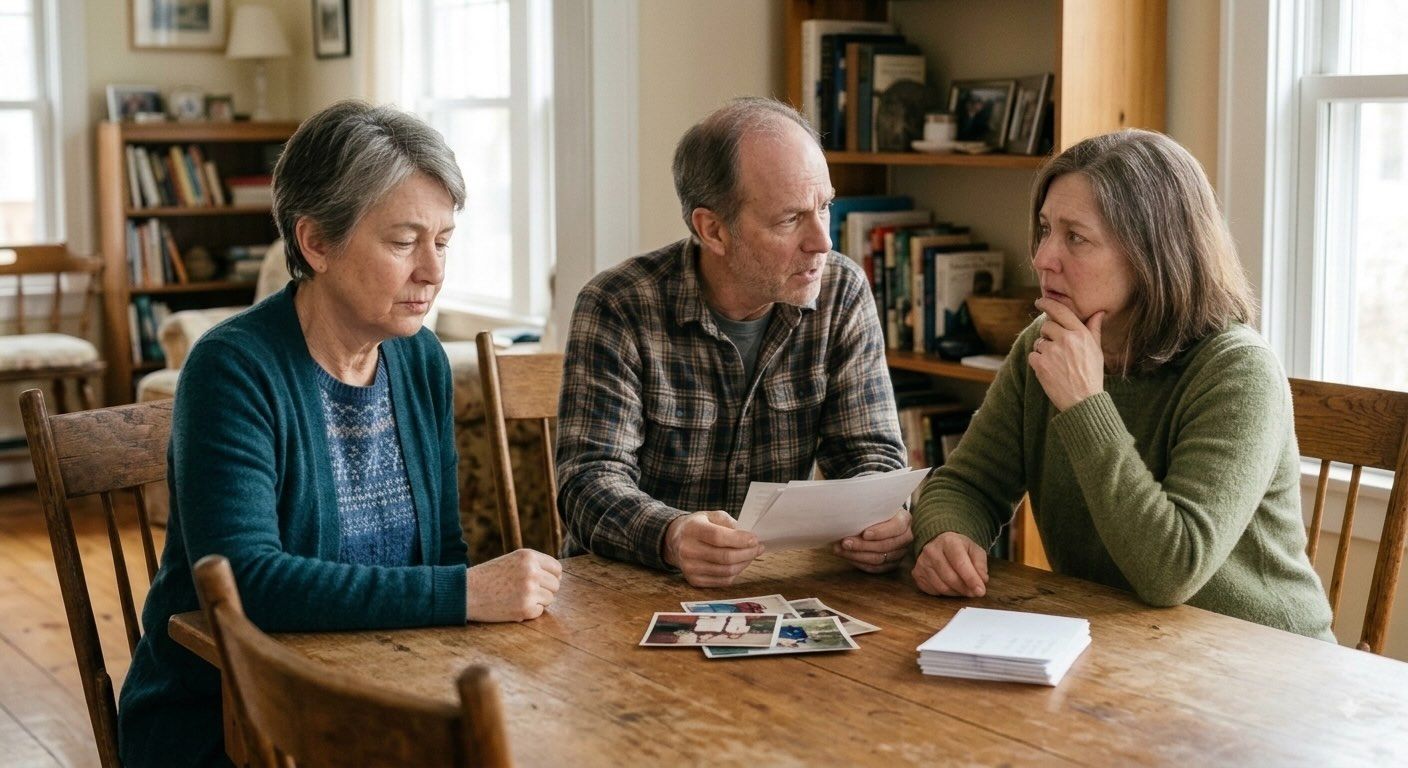
When a parent dies, siblings suddenly have to work together. Here's how to divide up the tasks, handle the disagreements, and honor them well together.

Caregiver burnout builds quietly. Here's how to see what you're really carrying, ask for specific help, say no kindly, and protect the rest you need most.
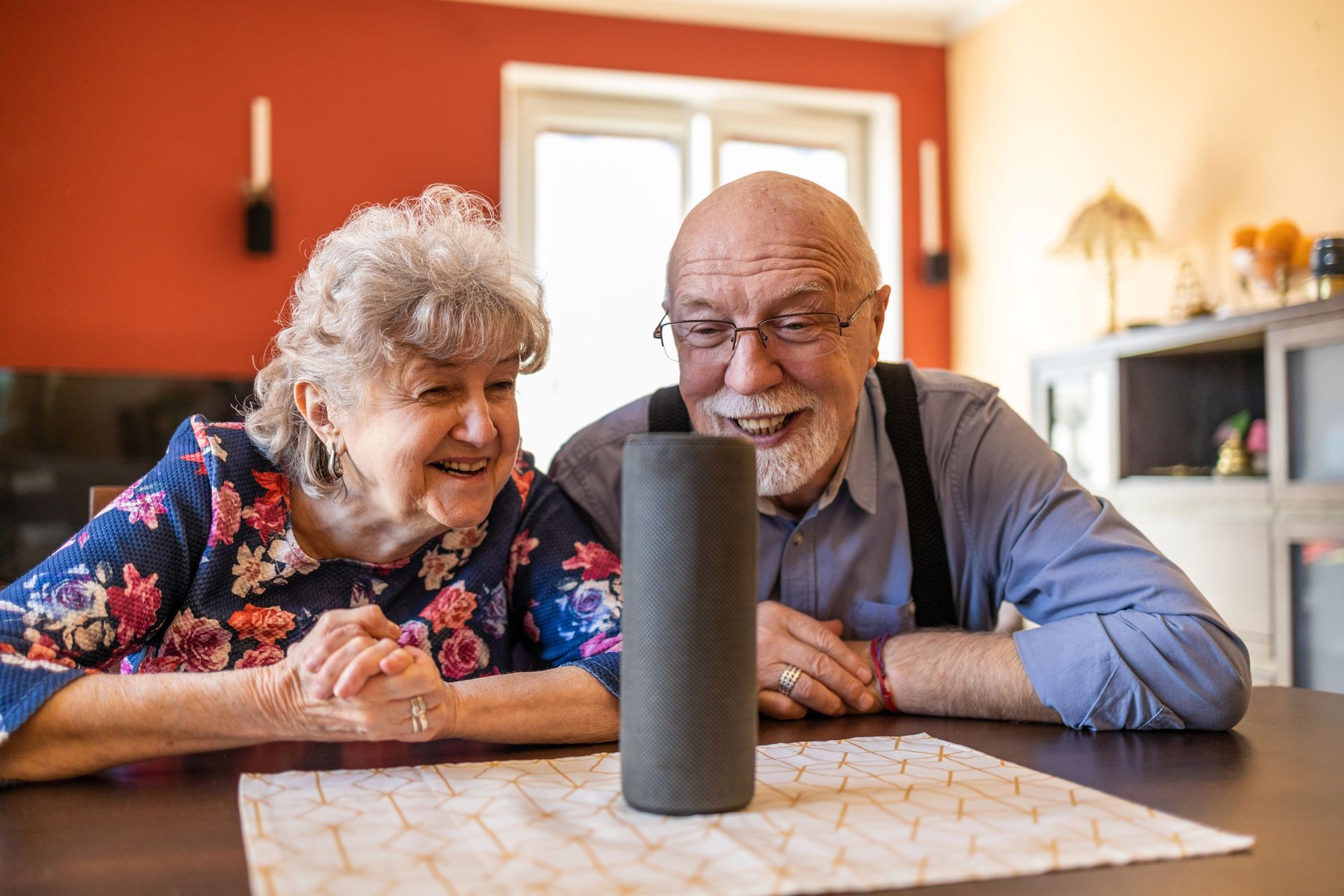
Call My Grandkids: How Smart Speakers Help Older Adults Stay Connected and Independent

Digital Memorials Today: Online Tributes, Live-streamed Services, and Support for Long-Distance Families

Learn what celebration of life services are, how they compare to traditional funerals, and how to decide what feels most meaningful for your family.

Plan a more comfortable summer road trip with aging parents
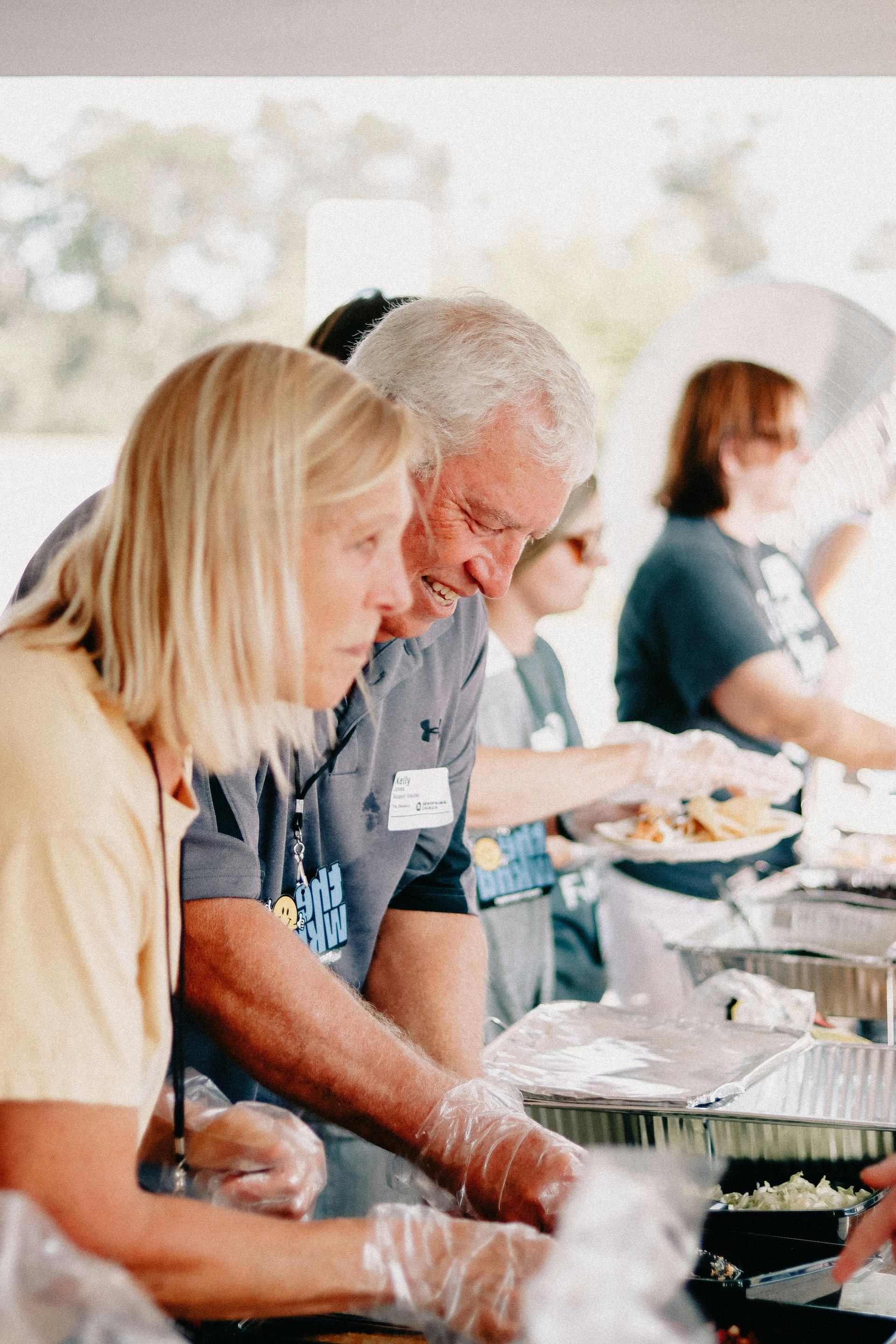
Spring has a way of bringing families back outside, back together, and back into the life of the community. Around Memorial Day especially, many people start looking for simple, meaningful ways to honor others while spending time with the people they love. For older adults and children, service can be one of the best ways to do both. Acts of kindness do not have to be big or physically demanding to matter. Some of the most meaningful projects are the ones that happen around a kitchen table, on a front porch, or through a short visit and a kind word. When grandparents, parents, and children serve together, each generation brings something important: energy, patience, perspective, creativity, and heart. At Wheelan-Pressly Funeral Home and Crematory , we know community is often built through these quiet acts of care. Families across Rock Island, Milan, and Reynolds often find that giving back together becomes more than a seasonal activity. It becomes a tradition. One simple place to start is with cards for veterans. Around Memorial Day, kids can draw pictures or write short thank-you notes, while older adults can help with messages, share memories of loved ones who served, or simply sit and create together. It is an easy project to adapt for different ages and abilities, and it gives children a gentle way to learn about remembrance and gratitude. Another good option is a small collection drive. Families can gather pantry items, toiletries, socks, or puzzle books for a local pantry, shelter, veteran organization, or senior program. Children can decorate signs and help sort donations. Older adults can help organize supplies, make calls, or spread the word to friends and neighbors. It does not have to be large to make a difference. Sometimes, the most meaningful service is personal. A call, note, or short visit to an isolated neighbor can brighten someone’s entire week. Children can make cheerful cards. Older adults can suggest who may appreciate a check-in or help start a conversation. These moments remind people they are remembered, which is often the gift they need most. Families can also care for places of remembrance in spring by bringing fresh flowers to a loved one’s grave, tidying a memorial space, or taking a quiet moment to share stories. Memorial Day offers a natural opportunity to connect service with memory in a way that feels gentle and personal. The best projects are the ones that fit your family as it is. They do not need to be perfect, polished, or exhausting. They only need to be thoughtful enough to do together. People Also Ask What are easy Memorial Day service projects grandparents and grandkids can do together? Making cards for veterans, collecting pantry or hygiene items, and checking in on isolated neighbors are all simple, meaningful options. How can older adults participate in volunteer work if mobility is limited? Writing notes, making calls, sorting donations, and helping children with crafts or care packages are all valuable ways to serve. Why is volunteering together good for families? It helps children learn compassion, gives older adults a sense of connection and purpose, and creates shared memories centered on kindness. This season, a small act of kindness may become one of the memories your family carries forward. To learn more about how Wheelan-Pressly Funeral Home and Crematory supports families and community traditions, visit our website or call 309-786-5421. Wheelan-Pressly is here when your family needs care, guidance, and a trusted local connection.

Understanding the Burden Left Behind
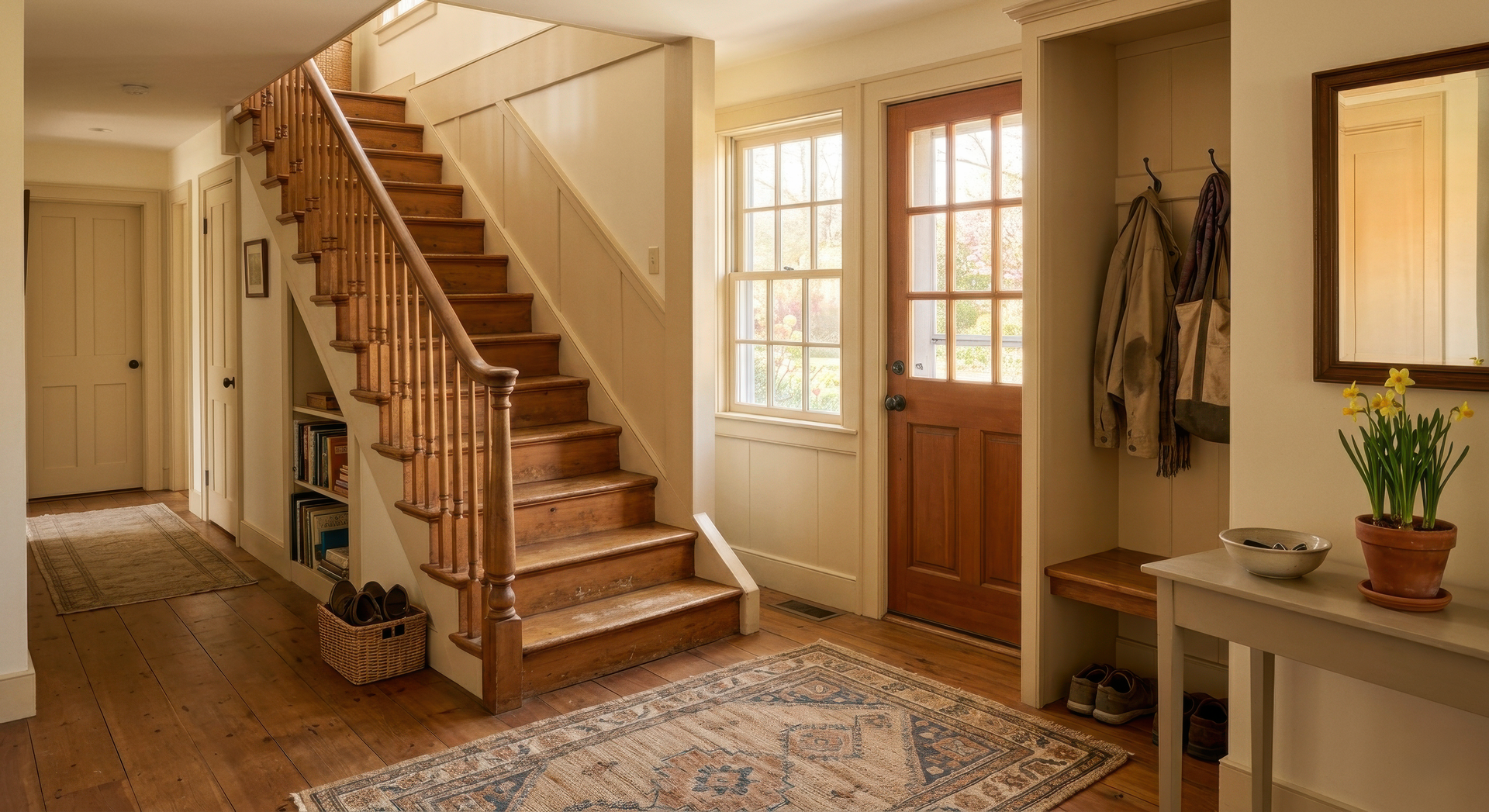
There's a kind of love that doesn't look dramatic. It looks like noticing the rug by the back door has started to curl at the edge, or realizing the hallway feels darker than it used to. It looks like meaning to tighten the porch railing before someone grabs it and feels it shift. In spring, those jobs can feel small and easy to put off. But sometimes they're not really about the house. They're about easing worry for the people who love you. Families often tell us the same thing in different words. They don't want to be a burden to their kids. They don't want love to turn into a safety check. Usually, that doesn't mean money or errands. It means they don't want a son or daughter walking in, seeing a dim stairway, a loose step, or too much clutter in the path, and feeling that jolt of fear before they've even set down their keys. A home holds the shape of daily life. You see it in the basket left on the stairs, the lamp that never quite brightens the corner, the stack of papers that keeps sliding across the table. None of that makes someone careless. It makes them human, and maybe tired. But small trouble spots have a way of growing quietly. A rug becomes a fall. A dark hallway makes a late night trip to the bathroom harder than it needs to be. A wobbly railing turns into one more thing your family carries when they're already carrying plenty. We've sat with enough families to know how quickly the practical details start to matter. When adult children are trying to make calls, sort papers, and hold themselves together, even one less hazard in the home can ease the weight a little. That's why spring tune-ups can be an act of love. You're not just fixing a house. You're quietly sparing your family from extra stress later. You might find it helps to walk through your home at dusk, when the light is lower and the day has worn you out a bit. That's often when the hard parts show themselves. You may notice the loose rug, the dim bulb near the stairs, the chair blocking a walkway, or the railing that needs one good turn of a screwdriver. Then choose just one fix. Not the whole list. Just one. And if a job feels too heavy, it's okay to ask a neighbor, a friend, a grandchild, or a handyman to help. Taking care of these small things now can spare your kids from making hard days even harder. People Also Ask Why is spring home maintenance important for aging parents? Small hazards have a way of going unnoticed until they matter most. A loose rug, a dim bulb, a shaky railing. None of it feels urgent until it does. Catching those things in a quiet season means one less worry for everyone. What small home fixes can make a house safer for older adults? Some of the most helpful fixes are also the simplest. Better lighting near stairs, rugs that lie flat, clear walkways, and steady railings can make daily life feel easier without changing much at all. How can adult children help parents with home safety without taking over? It often helps to start with one thing, not a list. Walk through together, notice what feels unsteady, and offer to help with just that first. Keeping it small and kind makes it feel like care, not a project. We hope this brings something useful your way. If even one family feels a little less worried or a little more ready to ask for help, that matters. At Wheelan-Pressly Funeral Home & Crematory, you can reach us at 309-786-5421 or visit our website .