
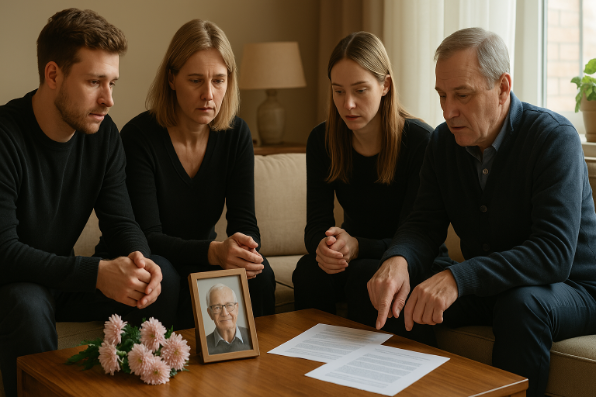
Digital Memorials Today: Online Tributes, Livestreamed Services, and Support for Long-Distance Families

POST AUTHOR | June 30, 2026

Share this article

New Title

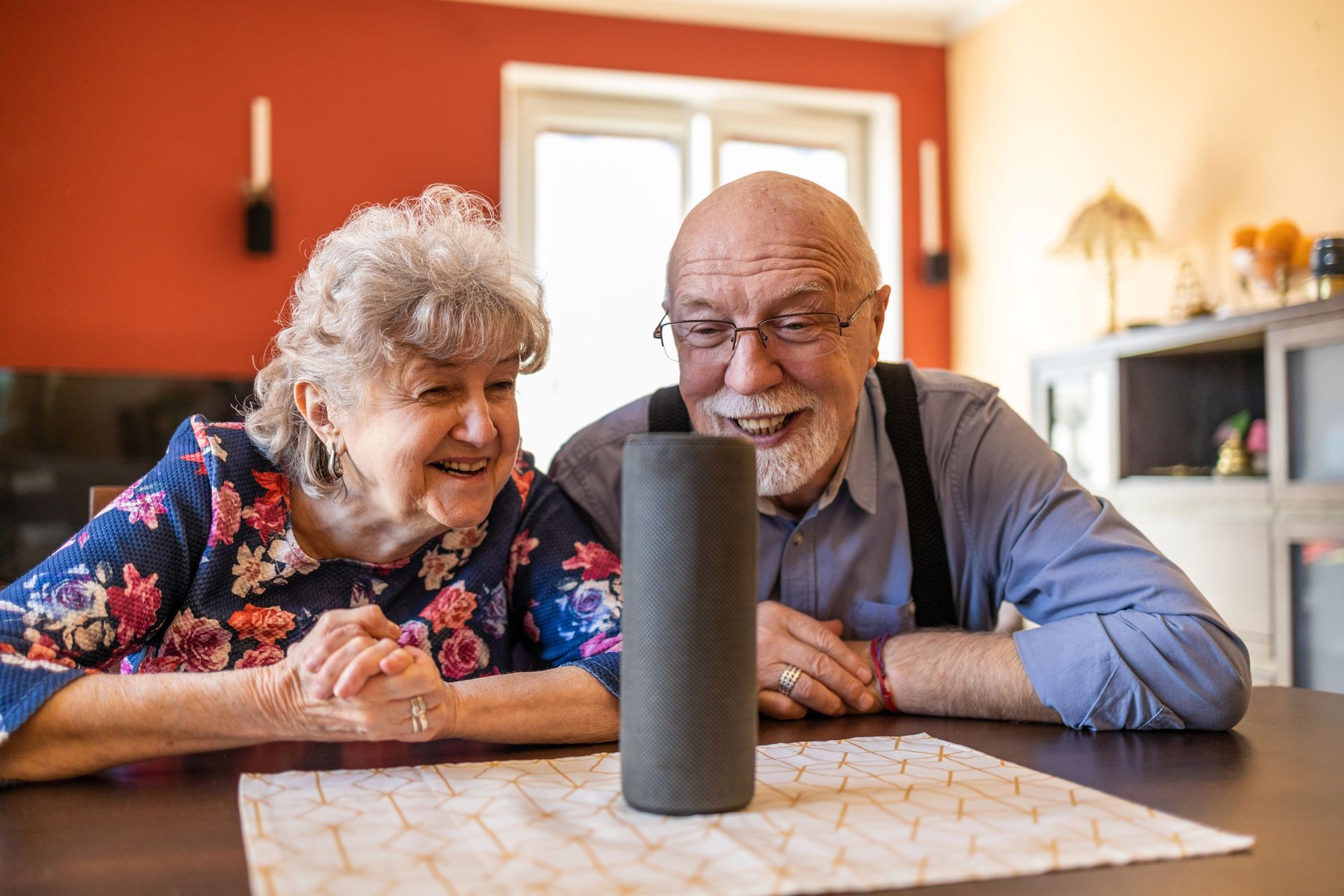
Couple streaming a funeral

Families are often spread across cities, states, and even countries. When a loved one dies, it is not always possible for every relative, friend, former coworker, or neighbor to attend the service in person. Illness, travel costs, work schedules, caregiving responsibilities, weather, and distance can all make gathering difficult.


That is one reason digital memorials have become such a meaningful part of funeral and memorial planning. Online tribute pages, livestreamed services, photo galleries, digital guestbooks, and condolence messages can help people feel included, even when they cannot be physically present.

Digital memorial tools do not replace the comfort of being together in person. But they can extend the circle of support and help families preserve memories in a way that lasts.


What Is a Digital Memorial?


A digital memorial is an online space where family and friends can remember someone who has died. It may include an obituary, service details, photos, videos, memories, condolences, and links for flowers or memorial donations.


Some digital memorials are simple. Others become rich collections of stories and images from many different parts of a person’s life.


For families, this can be especially comforting. A loved one may have been known in many ways: as a parent, spouse, grandparent, veteran, teacher, neighbor, friend, volunteer, coworker, or church member. Online memorial spaces allow people from each chapter of life to share what they remember.


Online Tribute Walls


An online tribute wall gives family and friends a place to post condolences, stories, photos, and messages of support. These messages can be read immediately, saved for later, or revisited on difficult days.


For grieving families, tribute walls can reveal just how many lives their loved one touched. A former coworker may share a story the family never heard. A childhood friend may post an old memory. A neighbor may write about kindness shown quietly over the years.


These small stories can become part of the family’s larger understanding of a loved one’s life.


Livestreamed Funeral and Memorial Services


Livestreaming allows people to watch a funeral, memorial service, celebration of life, or graveside service online in real time. This can be especially helpful when relatives live far away or when someone is physically unable to attend.


A livestream can help include:


Out-of-state family members
Elderly relatives who cannot travel
Friends recovering from illness or surgery
Military families stationed elsewhere
Former neighbors or coworkers
People affected by weather or transportation issues
Loved ones with caregiving responsibilities at home


Being able to witness the service, hear the music, listen to the eulogy, and participate from a distance can help people feel connected to the moment of remembrance.


Online Condolences Matter More Than People Realize


Some people worry that writing an online condolence is not personal enough. But for many grieving families, every message matters.


A simple note such as “Your mother was always so kind to me,” or “I remember your dad coaching our team,” can bring comfort. Families may read those messages in the quiet days after the service, when visitors have gone home and grief feels heavier.


Online condolences also give people time to choose their words carefully. This can be helpful for those who feel awkward or unsure about what to say in person.


Digital Guestbooks and Photo Sharing


A digital guestbook can help families see who attended, who watched online, and who reached out with support. It may become a lasting record of the community that surrounded them during a difficult time.


Photo sharing can be equally meaningful. Families may receive pictures they have never seen before: a loved one at work, at a reunion, at church, on a fishing trip, in uniform, holding a grandchild, or laughing with old friends.


These photos can later be used for keepsakes, memory books, anniversary remembrances, or future family storytelling.


How Digital Memorials Support Long-Distance Families


When travel is difficult, grief can feel isolating. A long-distance family member may feel guilty for not being there. A friend may feel helpless because they cannot offer a hug or attend the visitation.

Digital memorials help bridge that distance. They give people a way to show up, even from afar. They can watch, write, share, donate, send flowers, or simply leave a message that says, “I remember. I care. Your loved one mattered.”


For families receiving that support, it can be deeply reassuring.


Digital Memorials and Celebration of Life Services


Digital tools can also support more personalized services. A family planning a celebration of life may use online spaces to collect stories before the gathering. They may invite friends to upload photos, suggest songs, or share favorite memories.


Those contributions can help shape the service. A funeral director or celebrant may use those stories to create a more personal tribute. A family may choose to display submitted photos at the gathering or read selected memories aloud.


This can be especially helpful when the loved one had connections in many places.


Helpful Resources to Gather for a Digital Memorial


Families who want to create a meaningful online tribute may want to gather:


A favorite photo for the obituary or tribute page
Additional photos from different life stages
Service details and location information
Obituary text or life story notes
Favorite songs, readings, poems, or prayers
Names of family members and important relationships
Charity or memorial donation information
Military service details, if applicable
A few short stories or meaningful memories
Information about livestream access, if offered


These details help create a digital memorial that feels complete, personal, and easy for others to use.


A Few Things to Consider


Digital memorials are helpful, but families should still think carefully about privacy and tone. Some families are comfortable sharing service details publicly. Others prefer a more private link. Some may want comments reviewed before they appear.


It is also wise to choose photos and stories that honor the loved one respectfully. A tribute page should feel like a warm gathering place, not a rushed social media post.


A funeral director can help families think through what to share, how to organize information, and how digital options can support the overall service.


Technology Can Help Keep Memories Close


Grief is personal, but remembrance is often communal. We need stories from others to understand the fullness of a life. We need shared memories to remind us that our loved one mattered beyond our own home.


Digital memorials make it easier for people to contribute to that remembrance. They allow support to come from across town or across the country. They give families a place to return when they want to read, look, remember, and feel connected.


FAQs


1. What is an online tribute page?

An online tribute page is a memorial webpage where families can share an obituary, service details, photos, memories, condolences, and sometimes donation or flower information. It gives friends and family a central place to remember and offer support.


2. Can family members watch a funeral service online?

In many cases, yes. Some funeral homes and service locations offer livestreaming so relatives and friends who cannot travel can still view the service. Availability may depend on the location, technology, timing, and family preferences.


3. Are digital memorials only for people who choose cremation?

No. Digital memorials can be used with traditional funerals, burials, cremation services, memorial services, graveside services, and celebrations of life. They are simply another way to share information, gather memories, and support family connection.


Thank you for reading. For compassionate guidance with digital memorials, livestreamed services, online tributes, funeral planning, or cremation options, visit our website or call 309-786-5421.


Recent Posts

June 30, 2026
Learn what celebration of life services are, how they compare to traditional funerals, and how to decide what feels most meaningful for your family. 

June 17, 2026
Plan a more comfortable summer road trip with aging parents
By Wheelan Pressly Funeral Home and Crematory Admin June 1, 2026
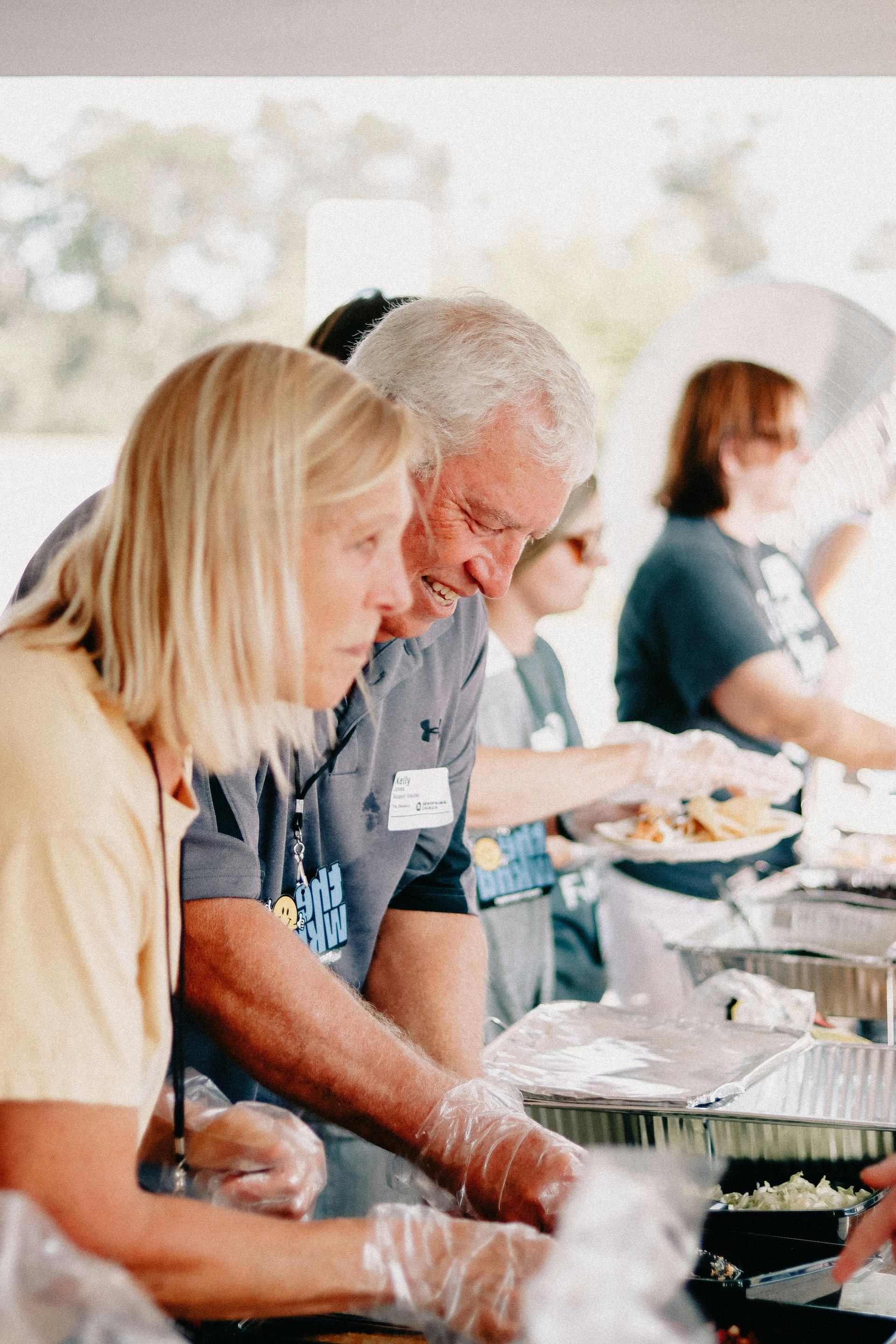
Spring has a way of bringing families back outside, back together, and back into the life of the community. Around Memorial Day especially, many people start looking for simple, meaningful ways to honor others while spending time with the people they love. For older adults and children, service can be one of the best ways to do both. Acts of kindness do not have to be big or physically demanding to matter. Some of the most meaningful projects are the ones that happen around a kitchen table, on a front porch, or through a short visit and a kind word. When grandparents, parents, and children serve together, each generation brings something important: energy, patience, perspective, creativity, and heart. At Wheelan-Pressly Funeral Home and Crematory , we know community is often built through these quiet acts of care. Families across Rock Island, Milan, and Reynolds often find that giving back together becomes more than a seasonal activity. It becomes a tradition. One simple place to start is with cards for veterans. Around Memorial Day, kids can draw pictures or write short thank-you notes, while older adults can help with messages, share memories of loved ones who served, or simply sit and create together. It is an easy project to adapt for different ages and abilities, and it gives children a gentle way to learn about remembrance and gratitude. Another good option is a small collection drive. Families can gather pantry items, toiletries, socks, or puzzle books for a local pantry, shelter, veteran organization, or senior program. Children can decorate signs and help sort donations. Older adults can help organize supplies, make calls, or spread the word to friends and neighbors. It does not have to be large to make a difference. Sometimes, the most meaningful service is personal. A call, note, or short visit to an isolated neighbor can brighten someone’s entire week. Children can make cheerful cards. Older adults can suggest who may appreciate a check-in or help start a conversation. These moments remind people they are remembered, which is often the gift they need most. Families can also care for places of remembrance in spring by bringing fresh flowers to a loved one’s grave, tidying a memorial space, or taking a quiet moment to share stories. Memorial Day offers a natural opportunity to connect service with memory in a way that feels gentle and personal. The best projects are the ones that fit your family as it is. They do not need to be perfect, polished, or exhausting. They only need to be thoughtful enough to do together.  People Also Ask What are easy Memorial Day service projects grandparents and grandkids can do together? Making cards for veterans, collecting pantry or hygiene items, and checking in on isolated neighbors are all simple, meaningful options. How can older adults participate in volunteer work if mobility is limited? Writing notes, making calls, sorting donations, and helping children with crafts or care packages are all valuable ways to serve. Why is volunteering together good for families? It helps children learn compassion, gives older adults a sense of connection and purpose, and creates shared memories centered on kindness. This season, a small act of kindness may become one of the memories your family carries forward. To learn more about how Wheelan-Pressly Funeral Home and Crematory supports families and community traditions, visit our website or call 309-786-5421. Wheelan-Pressly is here when your family needs care, guidance, and a trusted local connection.

By Wheelan Pressly Funeral Home and Crematory Admin May 15, 2026
Understanding the Burden Left Behind
April 29, 2026
There's a kind of love that doesn't look dramatic. It looks like noticing the rug by the back door has started to curl at the edge, or realizing the hallway feels darker than it used to. It looks like meaning to tighten the porch railing before someone grabs it and feels it shift. In spring, those jobs can feel small and easy to put off. But sometimes they're not really about the house. They're about easing worry for the people who love you. Families often tell us the same thing in different words. They don't want to be a burden to their kids. They don't want love to turn into a safety check. Usually, that doesn't mean money or errands. It means they don't want a son or daughter walking in, seeing a dim stairway, a loose step, or too much clutter in the path, and feeling that jolt of fear before they've even set down their keys. A home holds the shape of daily life. You see it in the basket left on the stairs, the lamp that never quite brightens the corner, the stack of papers that keeps sliding across the table. None of that makes someone careless. It makes them human, and maybe tired. But small trouble spots have a way of growing quietly. A rug becomes a fall. A dark hallway makes a late night trip to the bathroom harder than it needs to be. A wobbly railing turns into one more thing your family carries when they're already carrying plenty. We've sat with enough families to know how quickly the practical details start to matter. When adult children are trying to make calls, sort papers, and hold themselves together, even one less hazard in the home can ease the weight a little. That's why spring tune-ups can be an act of love. You're not just fixing a house. You're quietly sparing your family from extra stress later. You might find it helps to walk through your home at dusk, when the light is lower and the day has worn you out a bit. That's often when the hard parts show themselves. You may notice the loose rug, the dim bulb near the stairs, the chair blocking a walkway, or the railing that needs one good turn of a screwdriver. Then choose just one fix. Not the whole list. Just one. And if a job feels too heavy, it's okay to ask a neighbor, a friend, a grandchild, or a handyman to help. Taking care of these small things now can spare your kids from making hard days even harder. People Also Ask Why is spring home maintenance important for aging parents? Small hazards have a way of going unnoticed until they matter most. A loose rug, a dim bulb, a shaky railing. None of it feels urgent until it does. Catching those things in a quiet season means one less worry for everyone. What small home fixes can make a house safer for older adults? Some of the most helpful fixes are also the simplest. Better lighting near stairs, rugs that lie flat, clear walkways, and steady railings can make daily life feel easier without changing much at all. How can adult children help parents with home safety without taking over? It often helps to start with one thing, not a list. Walk through together, notice what feels unsteady, and offer to help with just that first. Keeping it small and kind makes it feel like care, not a project.  We hope this brings something useful your way. If even one family feels a little less worried or a little more ready to ask for help, that matters. At Wheelan-Pressly Funeral Home & Crematory, you can reach us at 309-786-5421 or visit our website .

April 24, 2026
Sometimes it happens in a quiet moment. You're sitting at the table, papers spread out in front of you, and it suddenly hits you. The kids are going to be part of this too. And you're not quite sure what to say. Families often tell us this is one of the hardest parts. Not the decisions themselves, but how to explain them to the children and teens they love. There's a fear of saying the wrong thing, or of bringing them into something that feels too heavy. But what many families come to see, over time, is that being included gently is often less frightening than being left out. For younger children, around four to seven, the world is still very concrete. They don't need long explanations. Simple, honest words tend to land best. Saying that someone has died, and that their body has stopped working, is often clearer than softer language that can confuse them. It can also help to let them know what they might see. A room with flowers. People who may be crying. A person lying very still, if there's a viewing. These details, shared calmly, can take away some of the fear of the unknown. At that age, their attention moves quickly. They might ask a question one minute and want a snack the next. That's not disrespect. That's how they process. Giving them a small role, like holding flowers or sitting beside a cousin, can help them feel part of things without expecting too much from them. As children get a little older, they often understand more than we realize. Between eight and twelve, they may start to grasp what death means, even if they don't always show it. Some will have big feelings. Others will seem quiet, or even unaffected. Both are normal. At this stage, it can help to offer choices. Let them decide if they want to attend, and prepare them for what they might see if they do. A casket or an urn. Adults who are emotional. Moments that feel unfamiliar. They don't need every detail, but they do need honesty. When they ask questions, simple and direct answers tend to feel safer than changing the subject. Teenagers often stand in a different place altogether. They may want to be treated like adults, while still trying to make sense of feelings they don't fully understand. Some will lean in. Others will pull away. You might notice them spending more time alone, or acting as if nothing has changed. That doesn't mean they aren't affected. Grief can show up later, in quiet ways. Giving them space, while keeping the door open, can make a real difference. Letting them choose how involved they want to be. Trusting them with information. Not forcing emotion, but making it clear that whatever they feel, or don't feel yet, is okay. One of the worries we hear often is that a service will be too much for a child. And yet, many families later share that their children handled it better than expected. What stays with them isn't just the sadness, but the way people came together. The stories. The love that filled the room. If you're not sure where to begin, you might start with a simple conversation. A few honest sentences. Then pause and let them respond in their own way. You don't have to have perfect words. Just being open, and willing to sit with whatever comes up, is more than enough. FAQs Should children attend a funeral? It's okay to give children a choice when possible. Many do well when they're gently prepared for what they'll see and experience. What should I say to a young child about death ? Use simple, clear language. Saying the body has stopped working helps avoid confusion and gives them something concrete to understand. What if my teenager doesn't seem upset? That can be normal. Teens often process grief privately or later. Keeping communication open matters more than expecting a certain reaction.  Thank you for reading our blog. At Wheelan- Pressly Funeral Home and Crematory, we're honored to serve our community. If you have any questions or need assistance, please feel free to contact us at 309-786-5421 or visit our website .

By Wheelan Pressly Funeral Home and Crematory Admin March 31, 2026
Finding Community When Retirement Feels Quiet and Long
By Wheelan Pressly Funeral Home and Crematory Admin March 16, 2026
A Simple Guide to Grief Brain After Loss
By Wheelan Pressly Funeral Home and Crematory Admin February 24, 2026
Finding calm after the holiday rush and giving yourself permission to rest
By Wheelan Pressly Funeral Home and Crematory Admin February 24, 2026
New year, new routines. What simple habits help your brain feel steadier? 
Show More